
The history of the develpment of lights
The earliest practical electric lamp is the incandescent lamp. However, long before the advent of the incandescent lamp, Humphry Davy, an Englishman, made arc lamps with 2000 batteries and two carbon sticks. However, such arc lamps are too bright and produce too much heat and are not durable, so they cannot be used in ordinary places.
In 1854, Henry Gerber, a German watchmaker who immigrated to the United States, made the first functional electric light from a carbonized bamboo stick placed in a vacuum glass bottle. It lasted for 400 hours, but he did not apply for a patent soon enough.
In 1860, The Englishman Joseph Swan also made a carbon filament electric lamp, but he could not get a good vacuum environment to keep the carbon filament working for a long time.
In 1878, when British vacuum technology was developed to the point where it was needed, he invented a light bulb powered by carbon wires in a vacuum and obtained a British patent. Mr Swan's own house was the first private home in Britain to be electrified.
In 1874, two Canadian electricians applied for a patent for an electric light that would glow from an electrified carbon rod by filling a glass bubble with nitrogen gas, but they could not afford to continue perfecting the invention.
Sold the patent to Edison in 1875. Edison bought patents and tried to improve the filament, eventually producing a carbonized bamboo lamp that would last 1,200 hours in 1880.
However, the United States Patent Office ruled that Edison's invention of the carbon filament incandescent lamp fell into human hands and the patent was invalid. After years of legal battles, Henry Goebbels won the patent, and Edison eventually bought it from Goebbels's impoverished widow.
In England, Swann sued Edison for patent infringement, and they settled out of court to set up a joint company in England in 1883. Swan later sold his shares and patents to Edison.
At the beginning of the 20th century, carbide filaments were replaced by tungsten wires, which are still used today.
In 1938, fluorescent lamps were introduced. In 1998 white LED lights were born.
Recently Posted
-
Situation analysis of fire emergency lights
December 28, 2020Emergency lighting is a very important existence in our daily life and an important safety facility for modern public buildings and industrial buildings. It is closely related to personal safety and building safety.When a fire or other disaster occurs in a building and the power supply is cut off, emergency lighting plays an important role in personnel evacuation, fire rescue work, important production, continuous operation oRead More -
Microwave radar sensor LED lights
December 28, 2020Basic Introduction editingMicrowave radar induction LED lamp, also known as radar induction LED lamp, is based on The Doppler effect, using the most advanced plane antenna, can effectively suppress the interference of high harmonic and other clutter, high sensitivity, strong reliability, safety and convenience, intelligent energy saving, is the first choice of intelligent building and modern property management products.MicroRead More -
How do I use a disinfectant lamp
December 28, 2020Shaw poison lamp is to point to commonly is ultraviolet disinfection lamp, this kind of lamp can very good carry on disinfection sterilization in place environment, have very good effect, because ultraviolet ray has very good the effect that destroys microorganism, be applied widely so, what is the use method of so disinfection lamp?When using disinfection disinfection lamp, first determine whether the surface disinfection, wRead More -
How do I use a disinfectant lamp
December 28, 2020Shaw poison lamp is to point to commonly is ultraviolet disinfection lamp, this kind of lamp can very good carry on disinfection sterilization in place environment, have very good effect, because ultraviolet ray has very good the effect that destroys microorganism, be applied widely so, what is the use method of so disinfection lamp?When using disinfection disinfection lamp, first determine whether the surface disinfection, wRead More

Contact Us
Recommended Products
-
 High Brightness Emergency Led LightsNegotiableMOQ: 1 Piece
 -
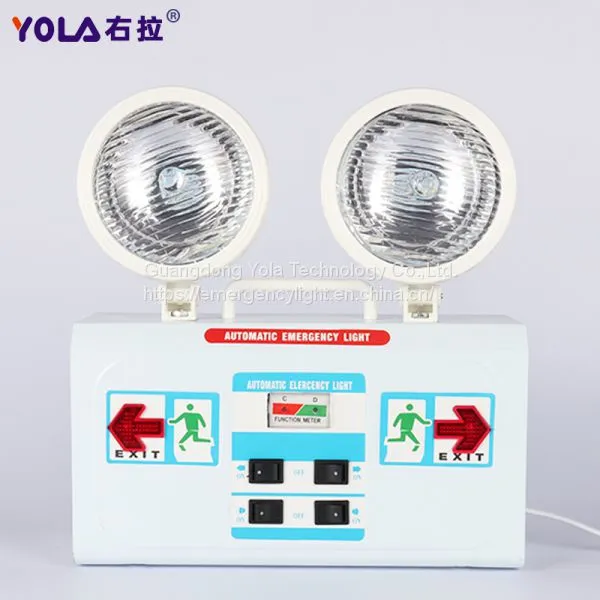
Rechargeable Emergency Led Lights Cheap Price Emergency Two Heads Rechargeable Led LightsNegotiableMOQ: 1 Piece
-
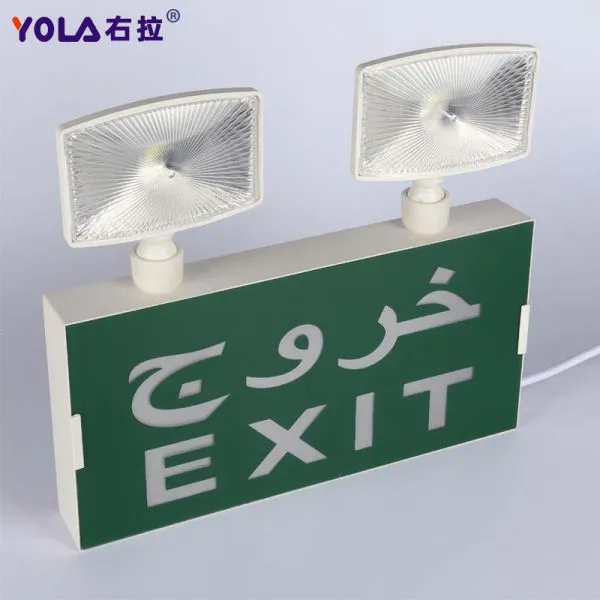
Double Heads Led Emergency Exit Lights Factory Direct Sale Emergency Two Heads Rechargeable Led LightsNegotiableMOQ: 1 Piece
-
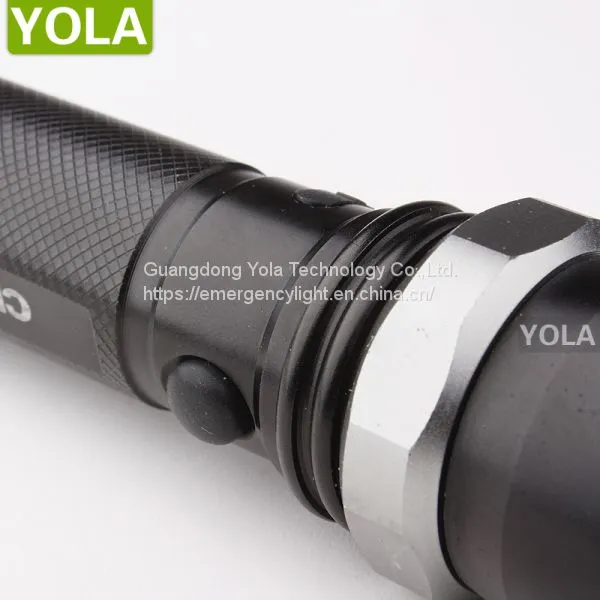
Emergency Flashlight Emergency Household Lighting Emergency Flashlight Waterproof LightsUS$ 9 - 11MOQ: 100 Pieces
-
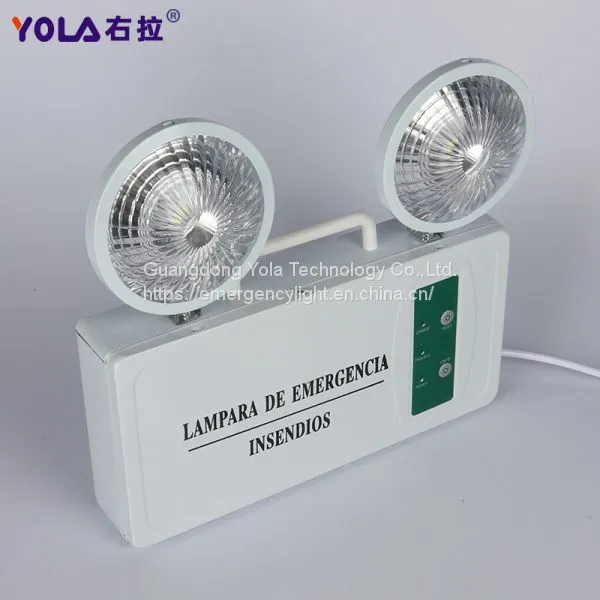
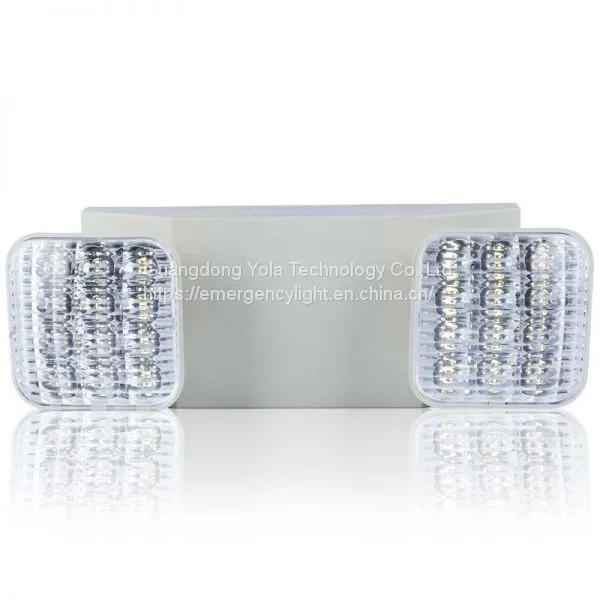
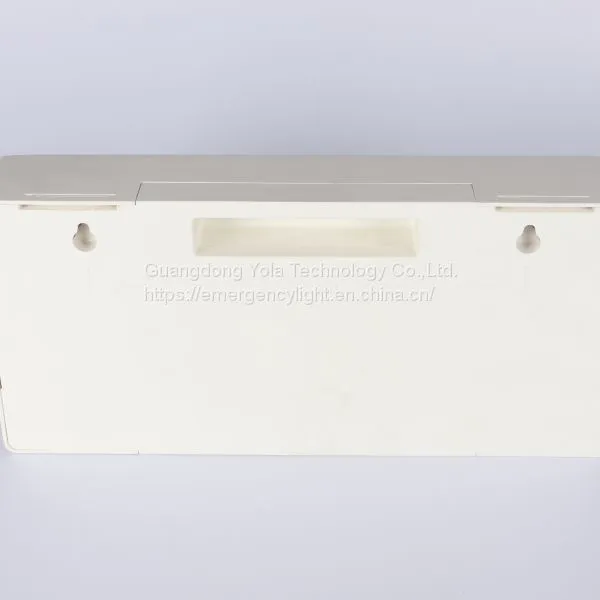
Wall Mount Emergency Twin Spot Light High Quality Light Led Rechargeable Emergency Twin Spot LightsNegotiableMOQ: 1 Piece
-
Emergency Hot Sale Automatic Emergency Light Home Hotel Light BublsNegotiableMOQ: 1 Piece
-
Industraial Emergency Led Lamps Factory Direct SalesNegotiableMOQ: 1 Piece
-
Powerful Emergency Led Camping Lights Brightness Rechargeable Waterproof Emergency Double Heads LightsNegotiableMOQ: 1 Piece
-
Camping Lights Rechargeable Portable Outdoor Lightingt Exquisite Multi-functional Camping Emergency Waterproof LightingUS$ 9.8 - 11MOQ: 100 Pieces
-
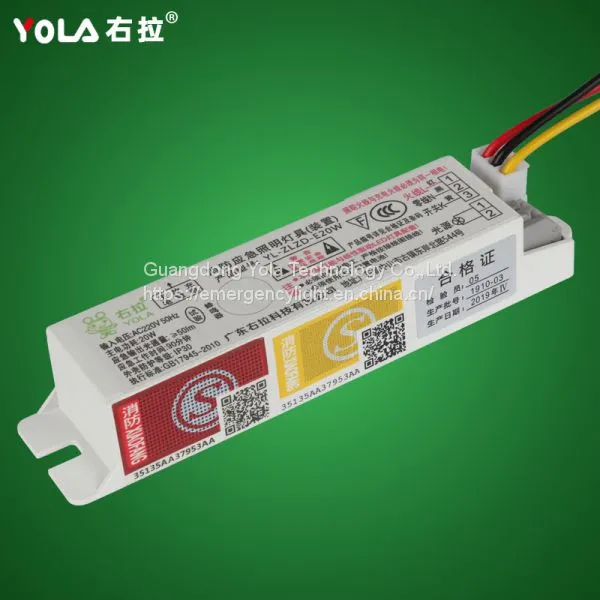
Fire Emergency Power Supply Best Price Hot SellingNegotiableMOQ: 100 Pieces
-
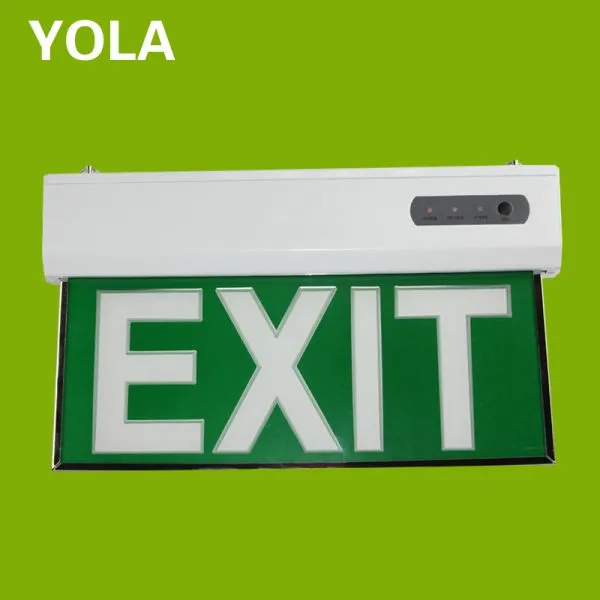
Recharegable Emergency Exit Sign Lights Emergency Exit Sign Lights Waterproof FactoryNegotiableMOQ: 1 Piece
-
Emergency Lighting Tunnel Lights for Cars Green Sign Symbols LED Emergency Exit Signs Evacuation LightsNegotiableMOQ: 1 Piece
-
High Quality Aluminium Emergency Exit Sign Lights Waterproof Factory Direct SalesNegotiableMOQ: 1 Piece
-
LED Emergency Exit Signs Evacuation Lights Exit Sign Indicator Outdoor Lighting Emergency LampsNegotiableMOQ: 1 Piece
-
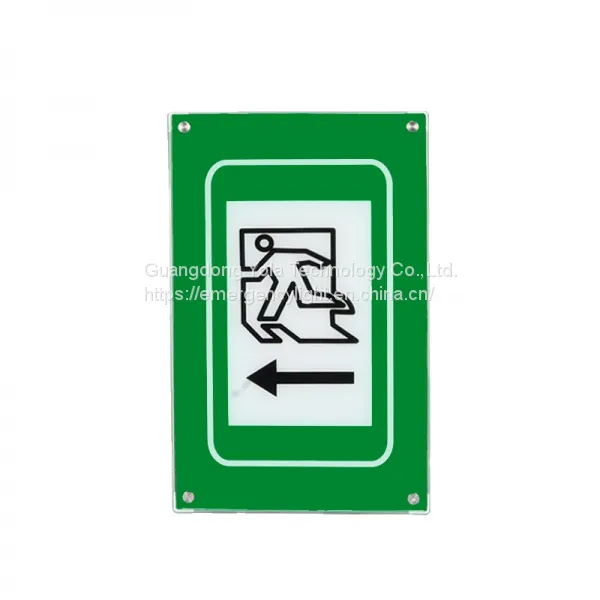
Exit Sign Direction Arrow Emergency Underground LampsNegotiableMOQ: 1 Piece
-
Emergency Exit Sign Lights Fire Emergency LED Exit Sign Lamps Emergency Lighting SymbolsNegotiableMOQ: 1 Piece
-
Green Red Exit Sign Lamps Indicator New Type LED Exit Sign Save Energy Exit Signs Green Red LampNegotiableMOQ: 1 Piece
-
Emergency Exit Sign Lamps Emergency Rechargeable Led Lighting Exit Sign Emergency Lighting Emergency Led LightNegotiableMOQ: 1 Piece
-
Emergency Exit Sign Emergency Lighting Emergency Led Light Exit Sign Lamps Emergency Rechargeable Led LightingNegotiableMOQ: 1 Piece
-
Exit Sign Emergency Lighting Emergency Led Light Emergency Lighting Wall Emergency Exit Light Rechargeable LampsNegotiableMOQ: 1 Piece